Dental implants are an excellent solution for replacing missing teeth and improving your smile. However, recent research has shown that Dental Implant Center San Diego may have more significant health benefits beyond just restoring your smile. In this article, we’ll explore the surprising link between dental implants and overall health, as supported by scientific research.
What are dental implants?
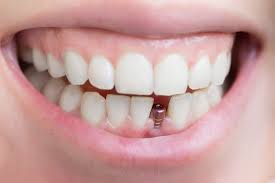
Dental implants are artificial tooth roots that are surgically implanted into the jawbone to provide a foundation for a replacement tooth or bridge. They are made of titanium, a material that is strong, lightweight, and biocompatible, meaning it can fuse with the jawbone over time. Dental implants are the most long-lasting and natural-looking tooth replacement option available, and they can improve your oral health and restore your smile.
The surprising link between dental implants and overall health
Several recent studies have shown that dental implants may have unexpected health benefits beyond just restoring your smile. Here are some of the ways that dental implants can impact your overall health:
- Improve your oral health
One of the most significant benefits of dental implants is that they can improve your oral health. When you lose a tooth, the surrounding teeth can shift out of place, and the jawbone can deteriorate over time. Dental implants can help prevent these problems by providing support for the surrounding teeth and maintaining the structure of the jawbone. Additionally, dental implants are easy to care for and can be brushed and flossed just like natural teeth, which can help prevent gum disease and other oral health issues.
- Reduce the risk of cardiovascular disease
Recent research has shown that there may be a link between periodontal disease (gum disease) and cardiovascular disease. Periodontal disease is a bacterial infection that affects the gums and can lead to tooth loss. When bacteria from the gums enter the bloodstream, they can cause inflammation and damage to the blood vessels, which can increase the risk of heart disease and stroke. Dental implants can help prevent periodontal disease by replacing missing teeth and providing support for the surrounding teeth and gums.
- Improve nutrition and overall health
When you are missing one or more teeth, it can be difficult to chew certain foods, which can lead to nutritional deficiencies and other health problems. Dental implants can restore your ability to chew and eat a variety of foods, which can improve your overall nutrition and health. Additionally, dental implants can help prevent bone loss and maintain the structure of the jawbone, which can have a positive impact on your overall health and well-being.
- Boost self-esteem and mental health
When you are missing one or more teeth, it can have a significant impact on your self-esteem and mental health. Many people feel self-conscious and embarrassed about their missing teeth, which can lead to anxiety, depression, and other mental health issues. Dental implants can help restore your smile and boost your self-esteem, which can have a positive impact on your mental health and overall well-being.
- Lower the risk of osteoporosis
Osteoporosis is a condition that affects the bones and can lead to fractures, particularly in older adults. Recent research has shown that there may be a link between tooth loss and osteoporosis. When you lose a tooth, the surrounding bone can begin to deteriorate, which can increase the risk of osteoporosis. Dental implants can help prevent bone loss and maintain the structure of the jawbone, which can help lower the risk of osteoporosis and other bone-related health problems.