Custom monoclonal antibodies have revolutionized the field of biomedical research and therapeutics, providing scientists with a powerful tool to study and manipulate specific proteins. By generating monoclonal antibodies that target unique epitopes on a protein of interest, researchers can selectively detect, block, or modulate protein function with high specificity and affinity. This precision has enabled the development of novel diagnostic assays, therapeutic treatments, and immunotherapies that would not be possible with traditional polyclonal antibodies.
Producing custom monoclonal antibodies involves a complex process that requires specialized expertise and resources. From antigen design and immunization to cell fusion and antibody purification, each step must be carefully optimized to ensure the production of high-quality monoclonal antibodies. In this article, we will explore the key components of custom monoclonal antibody production, including the various techniques and strategies used to generate these essential tools for biological research and medical applications.
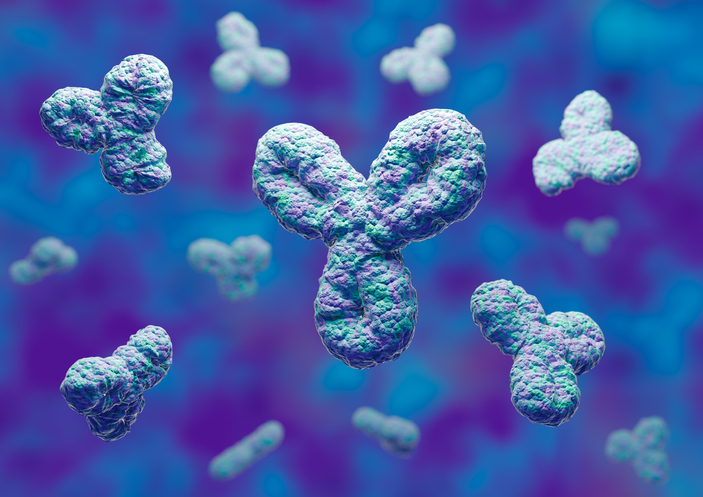
Custom Monoclonal Antibody Production Process
Producing custom monoclonal antibodies involves a series of intricate steps, starting with antigen design and immunization. The protein of interest is carefully selected, and an antigenic peptide is synthesized to generate an immune response in animals. After immunization, B cells producing antibodies against the target protein are isolated and fused with myeloma cells to create hybridomas. These hybridoma cells are then screened to identify clones that produce monoclonal antibodies specific to the desired epitope. Finally, the selected hybridomas are cultured and the monoclonal antibodies are purified for downstream applications. This detailed process ensures the development of highly specific and sensitive antibodies tailored for research or therapeutic use.custom monoclonal antibodies
Techniques and Strategies for Custom Monoclonal Antibody Generation
In custom monoclonal antibody development, various techniques and strategies are employed to optimize the production of high-affinity antibodies. One common approach is to screen hybridoma supernatants using ELISA or western blotting to identify clones with the desired specificity. Additionally, different adjuvants and immunization protocols can be used to enhance the immune response and antibody yield. Isotyping and characterization of generated monoclonal antibodies are crucial steps to ensure their suitability for specific applications. By combining innovative methodologies and rigorous quality control measures, researchers can produce custom monoclonal antibodies that meet the highest standards of performance and reliability in biomedical research and clinical diagnostics.
Overall, custom monoclonal antibody production is a meticulous process that requires attention to detail and expertise to ensure the generation of high-quality antibodies. By carefully designing antigens, optimizing immunization protocols, and implementing rigorous screening methods, researchers can produce monoclonal antibodies that offer superior specificity and sensitivity for a wide range of applications. Through continuous innovation and refinement of techniques, custom monoclonal antibodies will continue to play a critical role in advancing biomedical research and driving the development of novel diagnostic and therapeutic solutions.