Introduction
In the ever-evolving field of dentistry, advancements in technology have revolutionized the way dental treatments are performed. One such innovation is laser dentistry, which utilizes concentrated beams of light to treat various dental conditions. When it comes to comprehensive dental care in Kilsyth South, the skilled team at Kilsyth South Dentist is here to provide you with exceptional services. This article aims to explore the applications of laser dentistry in different areas of dentist services, highlighting its benefits and potential implications for patients.
Understanding Laser Dentistry
Laser dentistry involves the use of lasers, which are highly focused beams of light energy, to perform a wide range of dental procedures. The laser devices emit different wavelengths of light that can be adjusted according to the specific treatment requirements. These lasers are capable of targeting and interacting with the targeted tissues, offering precise and minimally invasive dental treatments.
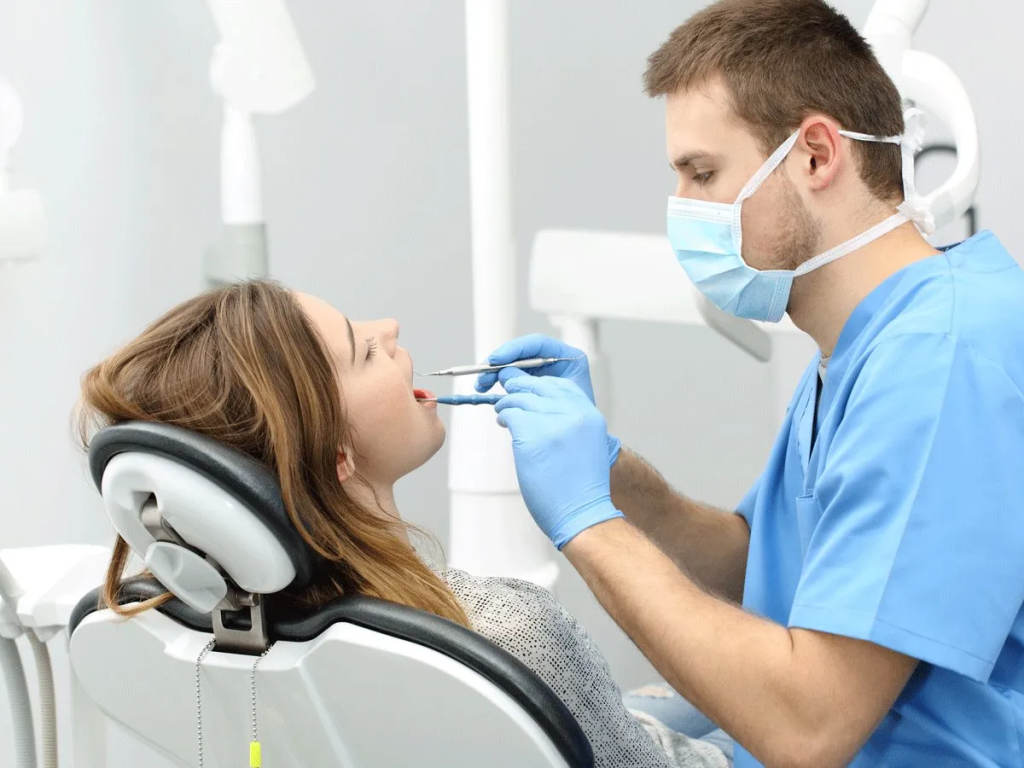
Applications of Laser Dentistry
1. Dental Fillings and Cavity Preparation
Laser dentistry has transformed the traditional method of dental fillings and cavity preparation. The laser technology allows for the removal of decayed tooth structure with greater precision, minimizing the need for anesthesia and reducing discomfort for the patient. The laser energy can effectively kill bacteria within the cavity and promote better bonding of the filling material to the tooth.
2. Gum Disease Treatment
Gum disease, also known as periodontal disease, affects millions of people worldwide. Laser dentistry offers a minimally invasive and highly effective treatment option for gum disease. Lasers can be used to remove diseased gum tissue, eliminate bacteria, and stimulate gum tissue regeneration. The laser energy can access deep periodontal pockets, promoting healing and reducing the risk of infection.
3. Soft Tissue Procedures
Laser dentistry has found significant applications in various soft tissue procedures. It is commonly used for gum contouring, where excess gum tissue is removed to improve the aesthetics of the smile. Laser technology enables precise and controlled tissue removal, resulting in minimal bleeding and faster healing. Additionally, lasers can be used for frenectomy procedures, treating tongue-tie or lip-tie conditions.
4. Teeth Whitening
Achieving a bright and dazzling smile is a common desire among many individuals. Laser dentistry offers an advanced approach to teeth whitening treatments. The laser energy is applied to the teeth after the application of a whitening gel, enhancing the activation of the gel and accelerating the whitening process. Laser-assisted teeth whitening can provide quicker and more noticeable results compared to traditional methods.
5. Biopsy and Lesion Removal
When suspicious lesions or abnormalities are detected in the oral cavity, a biopsy may be required to determine the presence of any underlying pathology. Laser dentistry provides a minimally invasive alternative to conventional surgical biopsies. The laser can precisely remove the targeted tissue for examination, minimizing bleeding, reducing discomfort, and promoting faster healing.
6. Nerve Regeneration and Pain Relief
In some cases, laser dentistry can be used to promote nerve regeneration and alleviate pain associated with certain dental conditions. Low-level laser therapy (LLLT) has shown promising results in reducing inflammation, stimulating tissue repair, and relieving discomfort related to temporomandibular joint disorders (TMJ) and postoperative pain.
Benefits of Laser Dentistry
The adoption of laser dentistry in dentist services offers several benefits for both dental professionals and patients:
- Precision and Accuracy: Laser technology allows for highly precise and controlled tissue removal, minimizing damage to surrounding healthy tissues.
- Minimally Invasive: Laser procedures often require minimal or no incisions, resulting in reduced bleeding, discomfort, and faster healing times.
- Reduced Need for Anesthesia: Laser dentistry can significantly reduce the need for anesthesia, making dental treatments more comfortable for patients, especially those with dental anxiety.
- Minimal Risk of Infection: The laser’s antimicrobial properties help sterilize the treated area, reducing the risk of infection.
- Enhanced Healing: Laser energy promotes faster healing and tissue regeneration, contributing to improved treatment outcomes.
Conclusion
Laser dentistry has emerged as a game-changer in the field of dentistry, providing dental professionals with advanced tools to deliver precise and minimally invasive treatments. From dental fillings to gum disease treatment and soft tissue procedures, lasers offer numerous applications in various areas of dentist services. The benefits of laser dentistry, including precision, reduced discomfort, and faster healing, make it an attractive option for both dental professionals and patients seeking efficient and effective dental care.
As technology continues to advance, the future of laser dentistry holds great promise for further innovations, expanding its applications and improving patient experiences. Dental professionals embracing this cutting-edge technology can provide high-quality care while ensuring patient satisfaction and comfort.