Automated External Defibrillators (AEDs) have revolutionized the field of emergency medical care, providing a crucial tool to save lives in cases of sudden cardiac arrest. These portable electronic devices are designed to assist individuals in administering an electric shock to the heart to restore its normal rhythm. AEDs are becoming increasingly prevalent in public spaces, such as airports, schools, and shopping malls, as they offer an invaluable resource for immediate response to cardiac emergencies.
The importance of AEDs lies in their ability to effectively treat sudden cardiac arrest, a condition in which the heart suddenly stops beating or beats irregularly. Without prompt intervention, the chances of survival decrease rapidly with each passing minute. With their user-friendly design and step-by-step voice prompts, AEDs can be utilized by individuals without medical training, allowing quick and efficient access to life-saving treatment. This article explores the functionality, benefits, and deployment of AEDs in various settings, highlighting their potential to significantly increase survival rates and reduce the devastating impact of cardiac events. Click here for more information about the AED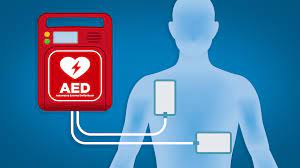
What is an Automated External Defibrillator (AED)?
An Automated External Defibrillator (AED) is a portable medical device used to deliver an electric shock to the heart in cases of sudden cardiac arrest. These devices are designed to be simple and easy to use by non-medical personnel, such as bystanders or first responders, to potentially save the life of someone experiencing a cardiac emergency. AEDs can analyze the heart’s rhythm and determine if a shock is needed to restore a normal heartbeat. They provide step-by-step instructions and deliver the shock through electrode pads placed on the chest of the individual in need. AEDs are a vital tool in increasing the chances of survival for someone experiencing cardiac arrest.
In today’s society, having widespread access to Automated External Defibrillators (AEDs) is essential for saving lives. The deployment of AEDs in public spaces has been a game-changer in emergency medical care, as these devices can be utilized by anyone, regardless of their medical background. AEDs provide clear and concise instructions through voice prompts, ensuring that users can confidently administer potentially life-saving treatment. The ability of AEDs to quickly assess and restore normal heart rhythm significantly increases survival rates for those experiencing sudden cardiac arrest. By embracing the presence of AEDs in various settings, we can create a safer environment and mitigate the devastating impact of cardiac events.