In today’s fast-paced world, the well-being of both mother and child during pregnancy is of paramount importance. One crucial aspect of ensuring a healthy pregnancy is regular monitoring of fetal growth. In this article, we delve into the significance of fetal growth scans and why they are a vital component of prenatal care. Understanding the Benefits of a Fetal Growth Scan during Pregnancy
The Significance of Fetal Growth Scans
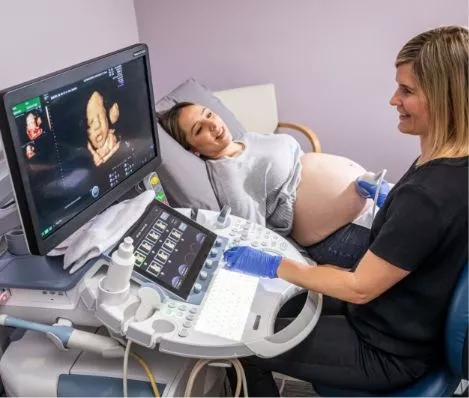
Fetal growth scans, also known as ultrasound scans, are non-invasive medical procedures that allow healthcare professionals to assess the development and growth of the unborn baby in the womb. These scans provide valuable insights into the following aspects:
1. Monitoring Fetal Development
Fetal growth scans enable healthcare providers to closely monitor the growth and development of the fetus. By tracking key parameters such as the baby’s size, weight, and organ development, doctors can ensure that the baby is progressing as expected.
2. Identifying Potential Issues
These scans play a crucial role in identifying any potential issues or complications that may arise during pregnancy. Detecting problems early on allows for timely intervention and management, reducing the risk to both the mother and the baby.
3. Assessing Placental Health
Fetal growth scans also provide valuable information about the health of the placenta, which is vital for the baby’s nourishment and oxygen supply. Any issues with the placenta can be identified and addressed promptly.
4. Evaluating Amniotic Fluid Levels
Amniotic fluid surrounds the baby in the womb and is essential for protection and development. Fetal growth scans can determine whether there is an adequate amount of amniotic fluid, ensuring the baby has a safe environment in which to grow.
The Frequency of Fetal Growth Scans
The frequency of fetal growth scans may vary depending on various factors, including the mother’s medical history and the specific circumstances of the pregnancy. However, it is common to have several scans throughout the pregnancy, with the first one typically scheduled around the 12-week mark.
Subsequent scans are often performed at key milestones, such as the 20-week anatomy scan, which provides a comprehensive assessment of the baby’s development. Additional scans may be recommended if any concerns or issues arise during the course of the pregnancy.
Conclusion
In conclusion, fetal growth scans are an integral part of prenatal care, offering invaluable insights into the well-being of both the mother and the unborn child. These scans serve as a proactive measure to ensure a healthy pregnancy by monitoring fetal development, identifying potential problems, and promoting timely intervention when necessary.
As expectant parents, embracing the opportunity for fetal growth scans can provide peace of mind, knowing that every effort is being made to ensure a safe and healthy journey towards welcoming a new life into the world.