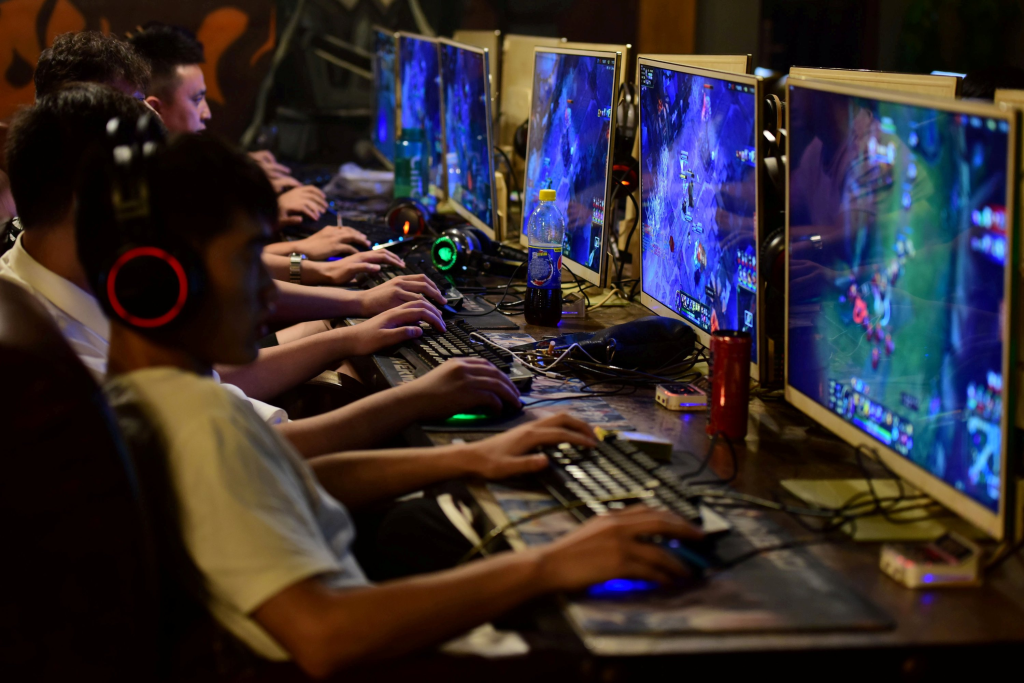
The virtual worlds of online games aren’t just realms of adventure and exploration; they also host intricate and dynamic economies that mirror real-world financial systems. In-game economies are ecosystems where players buy, sell, and trade virtual goods, creating a unique and captivating dimension within the gaming experience. The voj8 gaming events draw massive crowds, showcasing the popularity of online gaming culture. In this article, we’ll delve into the world of online trading, exploring the complexities, impact, and significance of in-game economies in modern gaming.
1. Virtual Goods and Currencies
In-game economies encompass a wide range of virtual goods, from weapons and armor to cosmetic items and collectibles. Virtual currencies, often earned through gameplay or purchased with real money, facilitate transactions within these economies.
2. Player-to-Player Trading
Many online games allow players to trade items directly with each other. This player-to-player trading fosters social interactions, negotiations, and the formation of virtual marketplaces.
3. Supply and Demand Dynamics
Similar to real-world economies, in-game economies are influenced by supply and demand. Rare and sought-after items can fetch high prices, while common items might have lower value.
4. Player-Driven Markets
In-game economies are often influenced by player behavior. Trends, preferences, and player decisions can impact the value of items and currencies, leading to fluctuations and market shifts.
5. Collectible and Cosmetic Markets
Cosmetic items, such as skins, outfits, and emotes, are prized by players for their aesthetic appeal. Collectible markets emerge around these items, with players seeking to build unique and visually impressive avatars.
6. Trade Skills and Crafting
Crafting and trade skills contribute to in-game economies. Players can create items using resources they gather, leading to specialized professions within the virtual world.
7. Role of Microtransactions
Microtransactions, where players spend real money on in-game items, play a significant role in modern in-game economies. These transactions can provide revenue for game developers and influence the availability of items.
8. Virtual Investment and Speculation
Some players engage in virtual investment and speculation, purchasing items they believe will increase in value over time. This adds an additional layer of complexity to in-game economies.
9. Economic Balance and Regulation
Developers often need to balance in-game economies to ensure fairness and prevent exploitation. In some cases, they may introduce regulations or adjustments to maintain a stable virtual economy.
10. Impact on Gameplay and Communities
In-game economies can impact gameplay and player communities. Trading and economic decisions can influence player strategies, interactions, and the overall experience of the game.
In conclusion, the intricate and evolving nature of in-game economies adds depth and complexity to the gaming experience. As players engage in virtual trading, crafting, and investment, they contribute to the creation of vibrant virtual marketplaces that reflect real-world economic principles. The world of online trading within games offers players an additional layer of engagement, allowing them to explore economic strategies and make meaningful decisions that influence their virtual adventures.