Online gaming has transcended the boundaries of age, gender, and cultural background, creating a global community of players who connect and engage in virtual worlds. In recent years, the industry has witnessed a significant shift, challenging stereotypes and fostering diversity within its ranks. This article delves into the ageless appeal of online gaming, exploring how it has broken societal barriers and become a platform that embraces and celebrates diversity. Discover hidden treasures and embrace the lucky charms in online gaming with lucky cola.
Breaking Age Barriers
Gone are the days when video games were primarily associated with children and teenagers. Today, online gaming caters to a broad range of age groups, attracting players from all walks of life. The advent of accessible technology, such as smartphones and tablets, has made gaming more convenient and appealing to older demographics. From casual puzzle games to immersive role-playing adventures, there is something for everyone, regardless of their age.
The rise of older gamers can be attributed to several factors. First, gaming has become a way for adults to unwind and escape the stresses of everyday life. It offers a form of entertainment that is engaging, interactive, and mentally stimulating. Additionally, online gaming has fostered a sense of community among older players, providing them with opportunities to connect with like-minded individuals and forge new friendships.
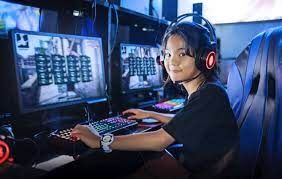
Moreover, online gaming has been recognized for its positive impact on cognitive abilities. Research has shown that gaming can improve memory, problem-solving skills, and multitasking abilities, making it an attractive pastime for older individuals looking to keep their minds sharp. As a result, the stereotype of gaming being exclusively for the young has been shattered, opening up new avenues of enjoyment and social interaction for people of all ages.
Embracing Gender Diversity
Historically, gaming has been perceived as a male-dominated industry. However, the landscape is rapidly evolving, and women are increasingly taking center stage as both players and professionals within the gaming community. The growing representation of female protagonists in popular games and the emergence of female streamers and content creators have contributed to this shift.
Furthermore, the rise of inclusive and diverse game development teams has resulted in a broader range of narratives and characters, appealing to a more diverse audience. This inclusivity not only empowers women but also challenges traditional gender roles and stereotypes. Women are proving their skills and passion for gaming, making significant contributions to the industry and inspiring others to pursue their gaming dreams.
Esports, Competitive Gaming, and Diversity
Esports, or competitive gaming, has emerged as a global phenomenon, attracting millions of viewers and players worldwide. This rapidly growing industry has paved the way for diversity and inclusion, transcending cultural and gender barriers. Esports tournaments showcase players from various backgrounds, allowing talent to shine regardless of race, ethnicity, or gender.
Organizations such as Women in Games and initiatives like the Women in Gaming Ambassador Program have actively promoted gender equality and representation in esports. These efforts have encouraged more women to participate in competitive gaming, challenging the notion that it is exclusively a male domain.
Cultural Diversity and Online Gaming
Online gaming has become a melting pot of cultures, fostering connections and friendships across borders. Players from different countries and backgrounds can unite in virtual realms, sharing their experiences, traditions, and perspectives. This cultural exchange enriches the gaming experience, promoting understanding and acceptance among diverse communities.
Game developers have recognized the importance of cultural representation and have responded by creating games that celebrate various heritages and traditions. By incorporating diverse settings, characters, and storylines, they provide players with a more immersive and inclusive experience. This not only enhances the enjoyment of the game but also helps break down stereotypes and promote cultural appreciation.
Conclusion
Online gaming has evolved from a niche hobby to a global phenomenon that embraces diversity and challenges stereotypes. The ageless appeal of gaming has shattered the notion that it is limited to a specific demographic, opening doors for people of all ages to connect and engage. Moreover, the industry has made significant strides in embracing gender diversity, empowering women and breaking down barriers. The rise of competitive gaming and the global reach of esports have further contributed to the inclusivity and acceptance within the gaming community. By fostering cultural exchange and representation, online gaming has become a platform that celebrates diversity and promotes understanding among players worldwide. As we move forward, it is essential to continue championing diversity in the gaming industry, ensuring that everyone feels welcome and represented in the virtual worlds they explore.